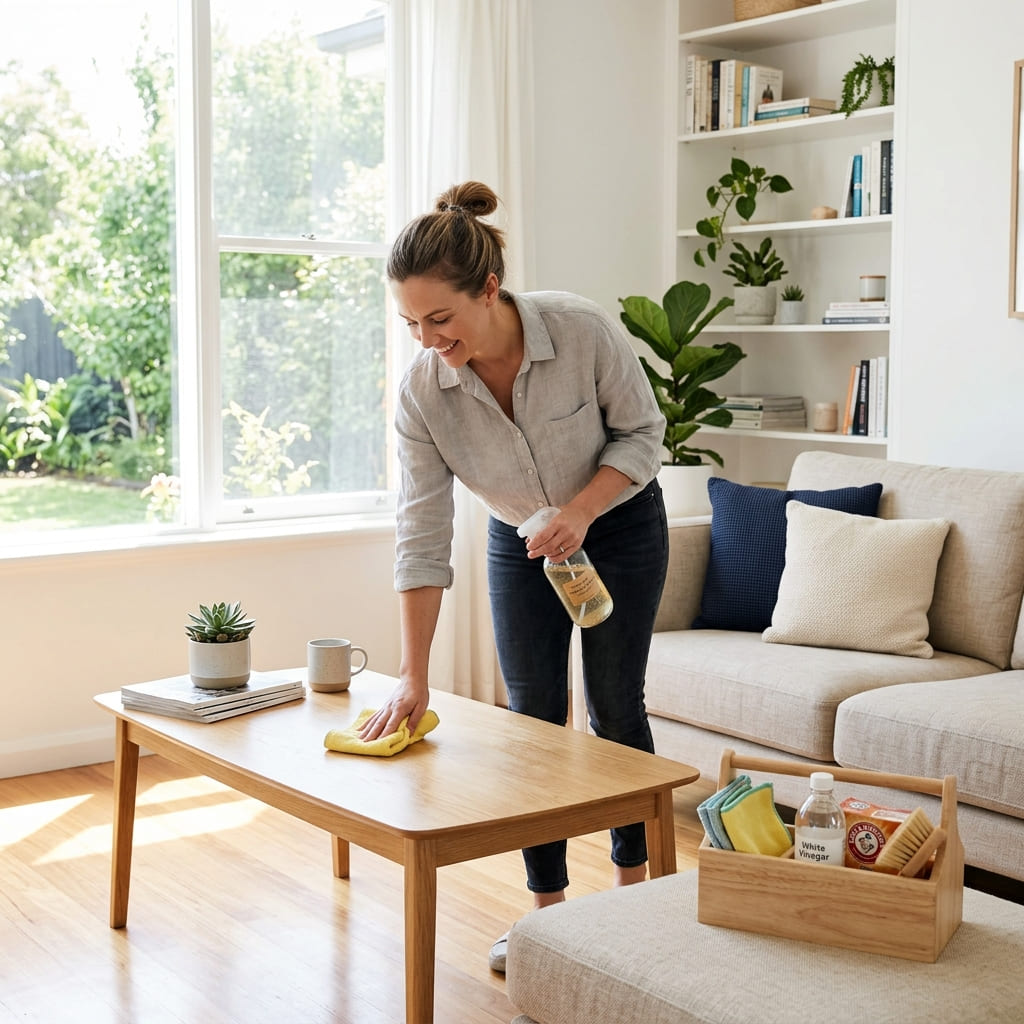

In 2026, the national average cost for professional house cleaning ranges between $120 and $280 per standard visit. Rates typically fall between $45 and $75 per hour per cleaner for professional companies. Total pricing is primarily determined by square footage, the specific service tier—such as standard maintenance versus deep cleaning—and geographic location, with urban markets often commanding a 30% to 50% premium.
The Evolution of House Cleaning Costs in 2026
The professional cleaning industry has entered a sophisticated era in 2026, moving far beyond basic dusting and mopping. Research shows that the global cleaning services market has grown to approximately $481.75 billion, reflecting a massive shift in how homeowners view sanitation as a form of preventative healthcare. Today, house cleaning is increasingly viewed as an essential household utility rather than a luxury.
According to industry data, approximately 85% of consumers now prioritize long-term hygiene standards over aesthetic tidiness. This shift has led to more specialized services, such as probiotic cleaning and AI-driven maintenance schedules, which impact the baseline pricing you see today. Understanding these costs requires looking at the technical variables that professional cleaners use to calculate their quotes.
Whether you are looking for a quick apartment refresh or a detailed move-out clean, the market now offers diverse pricing models. While flat rates have become the “gold standard” for recurring clients, on-demand services often still rely on hourly billing. This guide breaks down exactly what you should expect to pay based on the latest market research and economic trends of 2026.
Key Factors That Influence Your Cleaning Quote
If you have ever wondered why two identical houses receive different cleaning quotes, it usually comes down to “multipliers.” Research shows that professionals do not just look at square footage; they evaluate the “intensity” of the labor required to bring the home to a professional standard.
Square Footage and Layout
The size of your home is the most logical starting point for any quote. Statistics indicate that a standard 2,000-square-foot home typically requires 3 to 5 man-hours to complete a maintenance clean. However, the number of bathrooms and bedrooms is a more accurate predictor of time. Bathrooms are considered “high-intensity” zones because of grout scrubbing, descaling, and sanitation requirements, which take significantly longer than dusting a bedroom.
Home Condition and Clutter
A home that is cleaned every week is much easier to maintain than one that has been neglected for months. According to recent studies, a “first-time” clean can take 50% to 100% longer than a recurring visit because of built-up grime and dust. Clutter also plays a role; if a cleaner has to move toys, laundry, and papers to reach the surfaces, the labor time—and therefore the cost—will inevitably rise.
Service Frequency
The most effective way to lower your per-visit cost is to commit to a schedule. Research shows that professional companies prioritize recurring revenue and offer deep discounts for loyalty. According to industry data, weekly clients can save up to 30% compared to those who book one-time “on-demand” cleanings.
Average House Cleaning Costs by Home Size
Most homeowners prefer flat-rate pricing because it removes the “bill anxiety” of an open-ended hourly clock. The following table illustrates the national average ranges for 2026 based on home size and the type of cleaning requested.
| Home Size (Square Feet) | Standard Maintenance Clean | Deep Cleaning / Move-Out |
| Under 1,000 (Studio/1BR) | $80 – $150 | $150 – $250 |
| 1,000 – 1,500 | $120 – $200 | $200 – $400 |
| 1,500 – 2,000 | $150 – $320 | $240 – $500 |
| 2,000 – 2,500 | $200 – $400 | $300 – $600 |
| 3,000+ | $350 – $800 | $500 – $900+ |
Source: Industry research data.
As shown above, as the square footage doubles, the deep cleaning price tends to scale faster than standard cleaning. This is because larger homes often contain more glass surfaces, intricate light fixtures, and expansive flooring that requires specialized equipment or more technicians.
Standard vs. Deep Cleaning: What are you paying for?
Understanding the technical difference between service levels is crucial to ensuring you are not overpaying or under-serviced. According to recent studies, a standard clean is meant for maintenance, while a deep clean is meant for “restoration”.
The Standard Cleaning Checklist
A standard visit focuses on the surfaces you touch and see every day. According to industry reports, this usually includes vacuuming and mopping all floors, dusting accessible surfaces, sanitizing kitchen counters, and cleaning the “high-touch” areas of the bathroom like the toilet and sink. In 2026, most standard cleans also include the emptying of trash and light tidying.
The Deep Cleaning Difference
Deep cleaning is far more labor-intensive and covers the areas that are often neglected. Statistics show that this service includes scrubbing grout lines, cleaning the interior of microwaves and ovens, washing baseboards, and dusting ceiling fans or light fixtures. Research indicates that homeowners should schedule a deep clean at least twice a year to maintain the “health” of the indoor environment.
Hourly vs. Flat-Rate Pricing Models
In 2026, the cleaning industry is split between two primary ways of billing. According to recent studies, the model chosen often reflects the size of the business you are hiring.
Hourly Rates: Typically range from $35 to $75 per cleaner. This model is common for independent cleaners or specialized jobs where the time requirement is unpredictable. The risk for the homeowner is that there is no “ceiling” on the bill if the job takes longer than expected.
Flat-Rate Pricing: Usually ranges from $150 to $350 for average homes. This is the preferred model for professional companies because it offers predictability. It rewards efficiency; if a team of three finishes in two hours, the price stays the same, allowing the company to maintain its margins while giving you a guaranteed result.
Research shows that while hourly rates seem cheaper at a glance, they often lack the insurance and professional oversight that come with flat-rate packages from established firms.
Professional Companies vs. Independent Cleaners
One of the most important decisions you will make is whether to hire a local individual or a franchised organization. Statistics indicate that independent cleaners charge roughly 30% to 50% less than professional companies. However, that lower price point often comes with hidden risks.
According to industry reports, hiring an “under-the-table” cleaner may inadvertently classify you as an employer in the eyes of the IRS and state labor boards. This means you could be held liable for employment taxes, medical bills if they are injured on your property, and property damage that your homeowner’s insurance might not cover.
Professional companies, while more expensive, provide a “safety net.” Research shows that their rates include general liability insurance, workers’ compensation, and janitorial bonds. If a professional cleaner breaks a valuable heirloom or slips on a wet floor, the company’s insurance handles the claim, protecting your personal finances from a potentially devastating lawsuit.
Regional Price Variability Across the U.S.
Your zip code is one of the strongest predictors of your cleaning bill. According to recent studies, labor costs and the cost of living directly correlate with service pricing. In major metropolitan hubs like New York City, San Francisco, or Seattle, rates are significantly elevated due to higher insurance premiums, transportation expenses, and competitive wages.
Research shows that a 2,000-square-foot home in a rural or suburban market in the Midwest might cost $160 for standard cleaning, whereas the exact same service in Manhattan or Brooklyn could reach $240 or more. Statistics indicate that urban markets face a stiffer competition for qualified staff, forcing companies to invest more in background checks and training, which is eventually reflected in the client’s quote.
Specialized Add-On Services and Costs
Many homeowners in 2026 prefer to customize their cleaning packages with a-la-carte services. According to industry reports, adding specific appliance or floor treatments is the most common way homeowners “upsize” their cleaning tickets.
| Add-On Service | Average Cost in 2026 |
| Interior Oven Cleaning | $25 – $50 |
| Interior Refrigerator Cleaning | $25 – $50 |
| Interior Window Cleaning (per pane) | $5 – $10 |
| Changing Bed Linens | $10 – $20 |
| Laundry Service (per load) | $15 – $30 |
| Cabinet Interior Cleaning | $25 – $50 |
| Baseboard Detailing | $35 – $75 |
Source: Industry research data.
Research shows that these add-ons are often more cost-effective when bundled into a recurring service plan rather than requested as a one-off task.
The Impact of AI and Automation on 2026 Pricing
Technology is fundamentally reshaping the economics of house cleaning. Research shows that homes utilizing AI-driven scheduling save an average of 3 hours per week on maintenance tasks. These smart systems analyze your family’s traffic patterns and predict when a deep clean is necessary, moving away from rigid time-based schedules to “needs-based” intervention.
Statistics indicate that the use of autonomous cleaning robots has delivered up to a 94% cost reduction for repetitive floor-care tasks in high-end residential settings. While the initial setup for these systems is an investment, they significantly reduce the man-hours required during a professional visit, potentially lowering your long-term service rates.
Furthermore, the rise of probiotic cleaning is a major trend in 2026. Unlike traditional chemicals that offer immediate but short-lived disinfection, probiotic cleaners use beneficial bacteria that remain effective on surfaces for up to 72 hours. According to recent studies, 70% of consumers now prefer these “green” alternatives, even if they come with a slight $10 to $20 premium per visit.
Industry Statistics
According to industry reports and current market analysis, these figures represent the residential cleaning landscape in 2026:
The global cleaning services market is valued at $481.75 billion in 2026, with North America holding a 37.52% revenue share.
Research shows that 85% of consumers intend to maintain heightened cleaning and hygiene practices long-term following recent global health shifts.
The residential cleaning sector is currently growing at a CAGR of 7.50%, outperforming many other home service industries due to aging populations and busy lifestyles.
Floor care and vacuuming services account for 43.85% of the total market share, highlighting the universal need for professional floor maintenance.
Consumers are willing to spend an average of 9.7% more for cleaning services that use verified sustainable or “green” products.
The adoption of IoT and smart sensors in cleaning operations has improved labor efficiency by 15% for companies that utilize digital scheduling platforms.
Practical Recommendations for Homeowners
To get the most value out of your professional cleaning service, experts recommend a “prep and prioritize” strategy. Research suggests that spending just 15 minutes decluttering before your cleaner arrives can save you 30 to 60 minutes of billed labor.
Communicate Priorities: Don’t assume the cleaner knows what matters most to you. According to industry data, 32% of customer satisfaction comes from clear communication rather than just the cleaning itself.
Check for Insurance: Always ask for a Certificate of Insurance (COI) before hiring. This protects you from the liability of accidental injuries or property damage.
Bundle Services: If you need your oven and windows cleaned, book them together. Research shows that bundling specialized tasks into one visit is significantly cheaper than calling a pro for separate visits.
Provide Your Own Supplies? If you are hiring an independent cleaner, ask if they bring their own equipment. Some pros offer a discount if you provide the vacuum, mop, and cleaning agents, though professional companies almost always bring their own higher-grade supplies.
FAQ
What is the average hourly rate for house cleaning in 2026?
According to industry reports, the average hourly rate for house cleaning in 2026 ranges between $45 and $75 per cleaner for professional companies. Independent cleaners typically charge lower rates, often between $30 and $55 per hour. These rates can fluctuate based on your location, with major cities like New York or San Francisco sitting at the higher end of the spectrum due to increased operating costs.
Do I need to be home while the cleaners are working?
Research shows that over 60% of recurring clients prefer to provide their cleaners with a digital key, code, or spare key rather than staying home. Professional companies often use GPS tracking and digital timestamps to provide peace of mind. If it is your first time hiring a service, experts recommend staying for the first 15 minutes to walk the cleaner through your home and clarify priorities.
Is it customary to tip house cleaners, and how much?
Tipping is not mandatory, but it is a standard industry practice to show appreciation for exceptional work. According to recent surveys, most homeowners tip between 10% and 20% of the total service cost. For recurring cleaners, many people choose to give a larger “bonus” during the holidays equivalent to one week’s service rather than tipping after every individual visit.
What is included in a move-out cleaning service?
A move-out cleaning is the most exhaustive service tier, designed to meet the strict standards of landlords and property managers. According to industry data, this usually includes deep cleaning the interior of all cabinets, closets, and drawers, as well as the inside of the oven and refrigerator. Because these homes are empty, the cleaners can reach “nooks and crannies” that are usually blocked by furniture.
Why does deep cleaning cost so much more than standard cleaning?
Deep cleaning is significantly more expensive because it is more labor-intensive and requires specialized tools. Statistics indicate that a deep clean typically takes 50% to 100% longer than a maintenance visit because it addresses built-up grime, grout, baseboards, and ceiling fans. In 2026, most companies charge a premium for this service because it essentially “resets” the home’s hygiene levels.
How much can I save with a recurring cleaning schedule?
According to recent studies, committing to a recurring schedule is the most effective way to lower your cleaning costs. Weekly services typically receive a 20% to 30% discount, while bi-weekly cleanings usually come with a 15% to 20% price reduction. These discounts exist because a home that is professionally cleaned every week requires less time to maintain than one that has accumulated dirt over a month.
Are “green” cleaning products more expensive?
In 2026, green cleaning has become a mainstream demand, but it still often carries a slight premium. Research shows that homeowners may pay an additional $10 to $20 per visit for eco-friendly, plant-based, or probiotic cleaners. These products are often more expensive for the company to source, but 70% of consumers now prefer them because they are safer for pets, children, and indoor air quality.
What happens if something gets broken during the cleaning?
If you hire a professional company that is bonded and insured, they will handle the repair or replacement through their liability insurance. According to industry reports, this is one of the primary reasons homeowners choose established firms over independent cleaners. Without insurance, you may be forced to pay out-of-pocket for damages or attempt to recoup the loss through small claims court, which is often difficult and time-consuming.